



 Healthcare App Development Services
 Real Estate Web Development Services
 E-Commerce App Development Services
 E-Commerce Web Development Services
 Blockchain E-commerce Development Company
 Fintech App Development Services
 Fintech Web Development
 Blockchain Fintech Development Company
 E-Learning App Development Services
 Restaurant App Development Company
 Mobile Game Development Company
 Travel App Development Company
 Automotive Web Design
 AI Traffic Management System
 AI Inventory Management Software
 AI Software Development
  AI Development Company
  AI App Development Services
  ChatGPT integration services
  AI Integration Services
  Generative AI Development Services
  Natural Language Processing Company
 Machine Learning Development
  Machine learning consulting services
  Blockchain Development
  Blockchain Software Development
  Smart Contract Development Company
  NFT Marketplace Development Services
  Asset Tokenization Company
 DeFi Wallet Development Company
 Mobile App Development
  IOS App Development
  Android App Development
  Cross-Platform App Development
  Augmented Reality (AR) App Development
  Virtual Reality (VR) App Development
  Web App Development
  SaaS App Development
 Flutter
  React Native
  Swift (IOS)
  Kotlin (Android)
  Mean Stack Development
  AngularJS Development
  MongoDB Development
  Nodejs Development
  Database Development
 Ruby on Rails Development
 Expressjs Development
  Full Stack Development
  Web Development Services
  Laravel Development
  LAMP Development
  Custom PHP Development
  .Net Development
  User Experience Design Services
  User Interface Design Services
  Automated Testing
  Manual Testing
  Digital Marketing Services
 Ride-Sharing And Taxi Services
 Food Delivery Services
 Grocery Delivery Services
 Transportation And Logistics
 Car Wash App
 Home Services App
 ERP Development Services
 CMS Development Services
 LMS Development
 CRM Development
 DevOps Development Services
 AI Business Solutions
 AI Cloud Solutions
 AI Chatbot Development
 API Development
 Blockchain Product Development
 Cryptocurrency Wallet Development
 About Talentelgia
  Our Team
  Our Culture
 Healthcare App Development Services
 Real Estate Web Development Services
 E-Commerce App Development Services
 E-Commerce Web Development Services
 Blockchain E-commerce
Development Company
Blockchain E-commerce
Development Company Fintech App Development Services
 Finance Web Development
 Blockchain Fintech
Development Company
Blockchain Fintech
Development Company E-Learning App Development Services
 Restaurant App Development Company
 Mobile Game Development Company
 Travel App Development Company
 Automotive Web Design
 AI Traffic Management System
 AI Inventory Management Software
 AI Software Development
 AI Development Company
 ChatGPT integration services
 AI Integration Services
 Machine Learning Development
 Machine learning consulting services
 Blockchain Development
 Blockchain Software Development
 Smart contract development company
 NFT marketplace development services
 IOS App Development
 Android App Development
 Cross-Platform App Development
 Augmented Reality (AR) App
Development
Augmented Reality (AR) App
Development Virtual Reality (VR) App Development
 Web App Development
 Flutter
 React
Native
React
Native Swift
(IOS)
Swift
(IOS) Kotlin (Android)
 MEAN Stack Development
 AngularJS Development
 MongoDB Development
 Nodejs Development
 Database development services
 Ruby on Rails Development services
 Expressjs Development
 Full Stack Development
 Web Development Services
 Laravel Development
 LAMP
Development
LAMP
Development Custom PHP Development
 User Experience Design Services
 User Interface Design Services
 Automated Testing
 Manual
Testing
Manual
Testing About Talentelgia
 Our Team
 Our Culture
The world of tech startups seems glamorous from the outside. New ideas. Smart founders. Funding rounds. Product launches. Headlines about billion-dollar valuations. But behind the scenes, the reality is far more brutal. Despite rapid innovation in software development, statistics rarely lie — nearly 90% of startups fail, and in the tech ecosystem, that number feels even more real.
Many people chalk it up to underfunding or competition or bad timing, but the reality is usually more profound. Tech startups fail, by and large, not because of bad marketing or a lack of branding. They go belly up because of lousy product decisions.
Wrong features.
Solving the wrong problem.
Ignoring user feedback.
Overengineering.
Or creating something that no one really needs.
In tech, your business is your product. No amount of advertising, recruiting, or pivoting can really fix that if the product direction is fundamentally wrong. Bad product thinking accrues and depletes resources, confuses users, and kills momentum over time.
This blog examines why 90% of tech startups fail due to poor product decisions – and the fatal flaws founders keep making over and over again. Knowing these patterns can help future founders avoid the same traps and create a product that will actually make it.
Also Read:- How to choose the right tech stack for your startup …
10 Reasons why 90% of startups fail
Startup failure isn’t random. It follows patterns, and most of those patterns begin with product decisions. Here are the 10 reasons that quietly push startups toward failure:
1. Building a Product No One Actually Needs
Many startups become overly attached to their idea before validating the problem. Even when working with an AI Development Service, they often build solutions based on assumptions instead of real user pain points. If there is no strong problem, there is no strong product.
Example:
Imagine spending months building an AI-powered smart fridge app that tracks food freshness with advanced image recognition. It sounds impressive in a pitch deck. But in real life? Most people are okay with checking the expiry date manually. The problem simply isn’t painful enough.
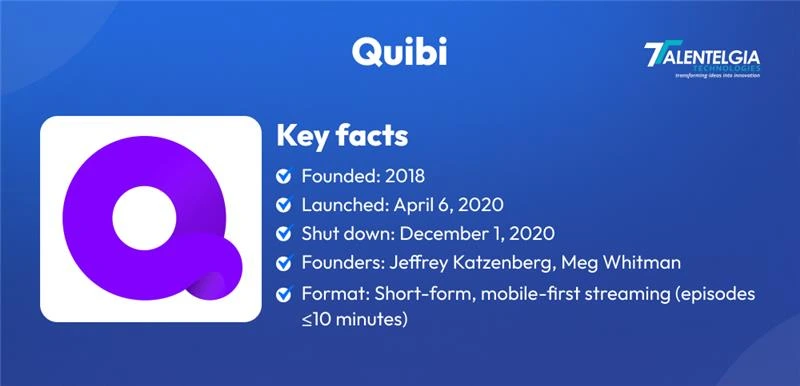
A well-known example often discussed is Quibi. It raised massive funding but misjudged whether people really wanted premium short-form shows on mobile — especially when free platforms like YouTube already existed. Great execution. Weak demand.
2. Skipping Proper Market Validation
Founders often rush into development without testing demand. They do not conduct enough interviews, surveys, or MVP testing. Without validation, the product direction is based on guesswork.
Example:
A SaaS team spends 8 months building a project management tool. When they finally launch, users say, “We’re already using Trello” or “We prefer Asana.” Switching feels like extra work.
All that time and money could have been saved with a simple landing page test or 20 honest customer interviews. Sometimes founders build first… and ask questions later.
3. Overengineering the First Version
Instead of launching a simple MVP, startups try to build a “perfect” product from day one. Too many features increase cost, delay launch, and create unnecessary complexity. Early-stage startups need speed and clarity — not perfection.
Example:
Even with the support of a fintech app development service, a startup may attempt to include budgeting tools, AI predictions, tax automation, crypto tracking, and investment advice — all in version one. The result? An 18-month development cycle. Meanwhile, a competitor launches a focused budgeting app in 4 months and begins gaining traction quickly.
Companies like Dropbox validated demand with just a demo video before fully building the product. Sometimes, simple wins.
4. Ignoring User Feedback
Product decisions should be driven by users, not ego. Many founders ignore early feedback because it contradicts their vision. When customers feel unheard, they leave.
Example:
Users say, “The dashboard is too complicated.” The founder replies, “They just don’t understand innovation.”
That mindset is dangerous. Even big platforms like Snapchat faced backlash when major UI changes frustrated users. If large companies feel the heat, startups definitely will.
5. Solving a Small or Weak Problem
Even if the product works, it may address a problem that is not painful enough. If users can live without your solution, they will not pay for it.
Example:
An app that automatically changes your phone theme based on the weather? Cool idea. But will someone pay monthly for it? Probably not.
Compare that with Slack, which solved chaotic workplace communication. That pain was real. Real pain drives real adoption.
6. Poor Product-Market Fit
A technically strong product can still fail if it does not match market demand. Product-market fit is about timing, audience, pricing, and value alignment. Without it, growth stalls.
Example:
Launching an advanced AR shopping experience in a market where users struggle with basic app loading speed creates friction.
Google Glass is often cited here. The technology was futuristic — but the world wasn’t ready for it at that scale. Timing matters more than brilliance.
7. Confusing User Experience (UX)
If users struggle to understand or navigate your product, they abandon it. Complicated onboarding, unclear messaging, or cluttered design kills retention.
Example:
A SaaS tool requires 12 setup steps before users see any benefit. Most people quit halfway. Nobody wants homework before value. Companies like Airbnb simplified booking to a few clear steps. When users feel comfortable, they stay.
8. Lack of Clear Product Vision
Constant pivots without a strategic direction confuse both teams and customers. A weak roadmap leads to inconsistent features and diluted value.
Example:
One month, the startup positions itself as a productivity app. The next month, it rebrands as a collaboration platform. Internally, the team feels lost. Externally, customers feel confused.
Compare that with Notion. Its evolution was gradual, but the core idea — flexible workspace — remained consistent.
9. Copying Competitors Without Differentiation
Many tech startups replicate successful products but fail to offer unique value. Without differentiation, customers have no reason to switch.
Example:
Launching “another ride-sharing app” identical to Uber without better pricing, niche focus, or unique benefits rarely works. Being a cheaper copy is not a strategy. Being different is.
10. Scaling Before the Product Is Ready
Some startups focus on growth, funding, or marketing before fixing core product issues. Scaling a broken product only multiplies failure.
Example:
A startup runs heavy ads and influencer campaigns. Thousands sign up. But the core feature crashes. Support tickets pile up. Users churn within days. Now the problem isn’t small — it’s amplified. Growth doesn’t fix product issues. It exposes them.
When a startup shuts down, people usually blame the obvious reasons — lack of funding, tough competition, or poor market timing. On the surface, those explanations seem valid. But if you sit through enough product meetings, a different pattern starts to appear.
It’s rarely just one big mistake. Instead, it’s a series of small product decisions that slowly add up — building features no one asked for, ignoring feedback because it challenges the vision, scaling too quickly to impress investors, or holding onto an idea long after users have stopped caring.
Startups don’t usually fail overnight. They fail quietly, decision by decision.
Conclusion
The uncomfortable truth is that in tech, the product is everything. You can have a strong pitch deck, a talented team, great branding, and funding in the bank. But if users don’t find real value in what you’ve built, none of that will sustain the business for long.

The startups that survive aren’t perfect. They don’t always get it right the first time. But they listen faster. They simplify sooner. They admit mistakes earlier. If 90% fail, it’s not because building a company is impossible — it’s because building the right product is hard.

And that may be the real lesson: before chasing growth, chase clarity. Before scaling, solve one meaningful problem deeply. Before adding more features, ask whether what you’ve already built truly matters.

Startups rarely collapse from lack of ambition. They collapse from building something the market never deeply wanted. And that, ultimately, is a product decision.

Don’t let poor product decisions cost you time, money, and momentum. Whether you're at the idea stage or scaling your tech product, having the right strategy and development partner matters.
Contact us today to discuss your product vision — and let’s build something your users truly value.













 Write us on:
  Business queries:
  HR:
HR: 


